

 By Emmanuel Bamfo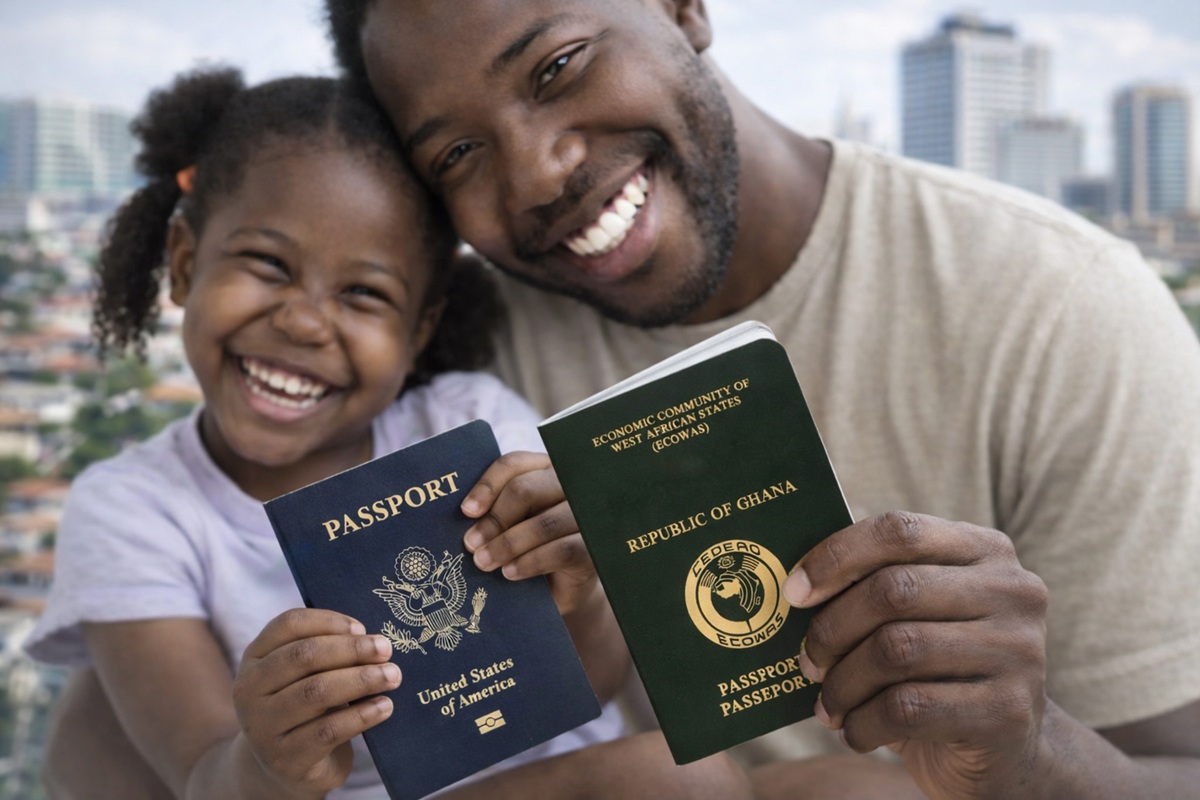
The government of Ghana has approved a historic constitutional reform that removes long standing legal restrictions preventing dual citizens from holding key public offices. This milestone decision allows qualified Ghanaians living abroad to serve in top state positions without giving up their foreign passports. It marks a major shift towards true national unity and equal rights for all citizens.
For more than two decades, millions of hardworking Ghanaians in the diaspora felt left out of national governance. They sent billions of dollars home every single year to build houses, pay school fees, and support businesses, yet the law treated them like outsiders when it came to public leadership. That painful contradiction is finally coming to an end.
This comprehensive guide breaks down everything you need to know about the approved reform, its legal foundations, its impact on the economy, and what it means for your personal rights as a Ghanaian living anywhere on earth.
What Is The New Dual Citizenship Reform All About?
The newly approved constitutional amendment directly targets Article 8 Clause 2 and Article 94 Clause 2a of the 1992 Constitution of Ghana. These legal provisions previously prohibited dual citizens from being appointed as Ministers, Ambassadors, Security Chiefs, or Members of Parliament. The reform completely eliminates these discriminatory barriers so every citizen can serve their motherland.
To understand how big this moment is, we have to look back at our legal history. In 1996, Parliament passed the Constitution Amendment Act 527, which allowed Ghanaians to hold dual citizenship for the very first time. Before that 1996 law, if you acquired citizenship in another country like the United Kingdom or the United States, you automatically lost your Ghanaian citizenship.
While the 1996 amendment was a great step forward, it came with painful strings attached. Section 1 of Act 527 added Article 8 Clause 2 to the Constitution. This clause disqualified dual citizens from holding high profile public posts. It created two classes of Ghanaian citizenship, where one group could vote and pay taxes, but could never lead key government institutions.
This new approval by government rights that historic wrong. It acknowledges that a Ghanaian carrying a second passport remains a full Ghanaian at heart, with equal capacity to serve the nation at the highest level.
Why Was Article 8 Clause 2 Holding Ghanaians Back For Decades?
Article 8 Clause 2 created a legal fence that shut out some of Ghana’s most experienced global professionals from serving in critical state roles. The law barred dual citizens from holding offices such as Chief of Defence Staff, Inspector General of Police, Cabinet Secretary, Ambassador, Director of Immigration, and Commissioner of Customs. This created a massive brain drain that hurt Ghana’s development agenda.
Think about the absurdity of the old system for a second. A top Ghanaian medical scientist in London or a world class financial expert in New York could advise foreign governments, but could not hold a key public appointment in Accra unless they renounced their second citizenship. Renouncing foreign citizenship often meant losing residency rights, family stability, and career security abroad.
Many brilliant Ghanaians were forced to make an agonizing choice between their livelihoods overseas and their desire to serve their homeland. The state essentially built a wall against its own talent pool. By removing these restrictions, Ghana aligns itself with modern international legal standards.
Statistica and global demographic research show that over seventy five percent of nations now tolerate dual citizenship without imposing harsh political bans on their citizens. Ghana is finally stepping into that modern reality where talent and patriotism matter far more than administrative paperwork.
Can Dual Citizens Finally Hold Public Office And Run For Parliament?
Yes, dual citizens can now legally contest Parliamentary seats and accept top public service appointments without giving up their foreign nationality. The reform dismantles the legal hurdles that led to lengthy court battles over dual allegiance in past elections. It opens the door for direct political participation by Ghanaians living anywhere in the world.
In past years, election cycles in Ghana were filled with dramatic court cases over candidate eligibility. Politicians lost their seats in Parliament because political opponents discovered they held foreign passports during nomination time. Millions of taxpayers money and months of political energy were wasted on courtroom battles over dual citizenship.
This approved reform provides complete legal clarity. It separates the idea of holding dual citizenship from the old legal concept of dual allegiance. Holding a second passport does not mean a person lacks love or loyalty for Ghana.
With this hurdle cleared, political parties can now tap into the vast talent of the diaspora. Qualified doctors, engineers, policy experts, and entrepreneurs living abroad can bring their global experience directly into the Parliament of Ghana and the civil service.
How Will This Legal Shift Transform Ghana’s Diaspora Economy?
This reform will spark a major wave of diaspora investment, technical expertise, and economic growth across multiple sectors in Ghana. By granting full political and leadership rights, the government builds deep trust with Ghanaians abroad who contribute over five billion dollars in annual remittances. It turns financial support into active national co-building.
Let us look at the real economic figures that make this decision so vital. Bank of Ghana reports and global financial data consistently show that personal remittances from the diaspora form a huge pillar of Ghana’s foreign exchange inflow. In many years, diaspora remittances exceed official foreign direct investment and development assistance combined.
Ghanaians abroad do not just send money for food and family upkeep. They build houses, establish private schools, fund medical bills, and launch small businesses that employ thousands of local youths in Accra, Kumasi, Takoradi, and Tamale.
When you tell people who fund your economy that they cannot participate in your governance, you limit their long term investment commitment. This reform changes that dynamic completely. When diaspora investors know their rights are fully protected and that they can actively participate in policy making, they bring bigger capital investments, establish technology hubs, and transfer knowledge faster.
What Are The Real Security Concerns People Are Stressing About?
Critics often argue that allowing dual citizens into top security and government positions could compromise national security during diplomatic conflicts. However, modern legal frameworks rely on strict security background checks, loyalty oaths, and professional integrity rather than outright citizenship bans. Country after country has proven that patriotism is defined by character and actions, not by holding a single passport.
It is completely normal for people to ask tough questions about national loyalty. What happens if a conflict arises between Ghana and the foreign nation where an official holds citizenship? Will the official remain loyal to Ghana?
Legal scholars and constitutional experts have answered this concern clearly. Holding dual citizenship is a administrative status resulting from global movement, while treason or compromise of state secrets is a criminal offense governed by strict laws. Any public officer who violates their oath of office faces severe prosecution under the Criminal Offences Act, regardless of how many passports they carry.
Furthermore, major nations like the United Kingdom, Canada, and Australia allow dual citizens to serve in their parliaments and government agencies without risking national safety. Ghana is introducing robust vetting protocols through Parliament and national security agencies to evaluate every appointee on merit and integrity.
How Does This Landmark Reform Protect Your Dual Citizenship Rights?
The approved reform establishes permanent constitutional protection for dual citizens, guaranteeing that no future administrative directive can arbitrarily strip away your rights. It streamlines application procedures, removes legal ambiguity, and ensures equal treatment under Ghanaian law. Your identity as a Ghanaian remains secure and non-negotiable.
For many years, Ghanaians who acquired foreign nationality suffered from bureaucratic bottlenecks when applying for Dual Citizenship cards. The Ministry of Interior processing times were often slow, leaving many people in legal limbo for months.
With this constitutional breakthrough, administrative processes will be modernised to reflect the legal reality that dual citizenship is a fundamental right for born Ghanaians. You will no longer feel like a foreign visitor when arriving at Kotoka International Airport or when seeking to acquire property back home.
The law now recognizes that our diaspora population is an extended region of Ghana. Whether you live in London, Toronto, Atlanta, or Berlin, your bond with the motherland remains legally solid and respected.
What Immediate Steps Should Diasporan Ghanaians Take Right Now?
Ghanaians abroad should ensure their dual citizenship documentation is fully updated through official government channels and Ghana missions abroad. You should verify your voter registration status, engage with recognized diaspora associations, and explore public service opportunities back home. Staying informed helps you take full advantage of these new constitutional rights.
Here is a simple roadmap to help you navigate this transition smoothly:
First, secure your official Dual Citizenship Certificate and Dual Citizenship Card from the Ministry of Interior or your nearest Ghanaian Embassy or High Commission. Having these documents ready ensures smooth processing for legal and political engagements.
Second, stay updated on parliamentary proceedings as the final implementation framework and administrative regulations are fully rolled out. Knowing the exact effective dates keeps you ahead of legal requirements.
Third, connect with diaspora professional networks and home country initiatives. Whether you are a lawyer, healthcare worker, engineer, or business strategist, your expertise is needed to drive public sector reforms and private enterprise in Ghana.
Why Is This Constitutional Amendment A Game Changer For Future Generations?
This historic reform transforms Ghana from a nation that exports talent into a nation that recalls its global talent to build a prosperous future. It creates an inclusive country where future generations of young Ghanaians can study and work anywhere in the world without losing their birthright to lead their nation. It secures Ghana’s position as a forward-thinking democratic leader in Africa.
Our young people growing up today are global citizens. They study abroad, work for international tech firms, and collaborate across borders every day. Forcing them to choose between global opportunities and their Ghanaian identity was an outdated approach that harmed our long term growth.
By approving this dual citizenship reform, Ghana sends a powerful message to the world: once a Ghanaian, always a Ghanaian. We are breaking down artificial barriers and building a bigger, stronger, and more united nation where every citizen has a voice, a stake, and a space to serve.
The future of Ghana is bright, inclusive, and unlimited. Let us celebrate this major victory and work together to build the Ghana we all desire.
Also Read: dvla rolls out new digital number plates heres